
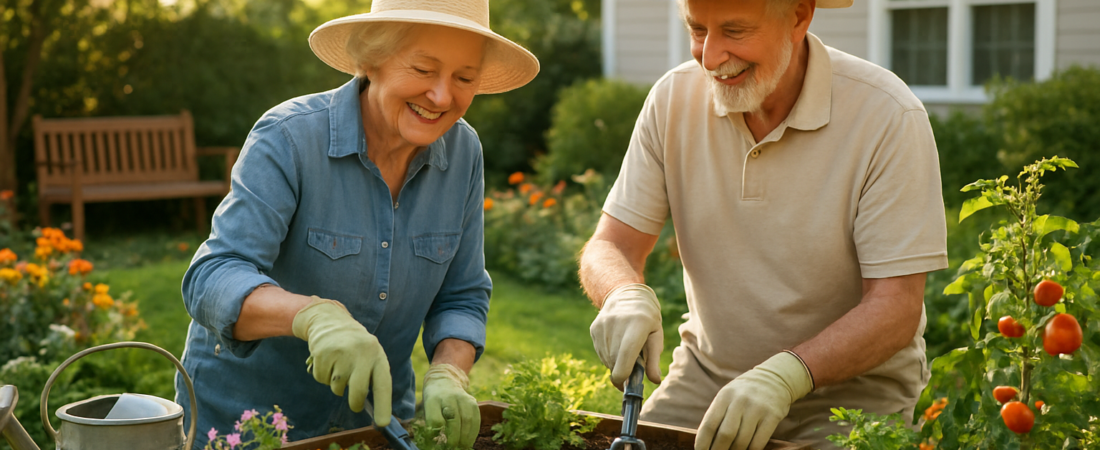
Gardening for seniors can be one of the most rewarding ways to stay active, enjoy fresh air, and add beauty to everyday life. The good news is that gardening after 60 does not have to mean heavy digging, endless weeding, or sore knees. With the right setup, a few easy plants, and smart low-maintenance strategies, you can create a garden that feels relaxing instead of tiring.
Whether you want a few pots of herbs on the patio, flowers near the front walk, or a small vegetable patch, today’s tools and garden designs make easy gardening more practical than ever. In this guide, you will find 10 simple, senior-friendly ideas to help you enjoy the benefits of gardening with less strain and more success.
Why gardening after 60 is worth it
Gardening offers more than pretty blooms and fresh tomatoes. For many older adults, it also supports daily movement, time outdoors, and a sense of purpose. Light activity such as planting, watering, and pruning can help keep the body moving, while the routine of caring for plants can feel calming and satisfying.
Many seniors also enjoy the social side of gardening. You might swap tomato seedlings with a neighbor, join a local garden club, or simply chat with passersby while watering the front porch planters. Best of all, gardening can be scaled to your energy level. A few containers can be just as enjoyable as a large backyard bed.
10 practical ideas for gardening for seniors
1. Start small and choose one easy goal
One of the best ways to enjoy gardening after 60 is to begin with a manageable project. Instead of reworking the whole yard, pick one simple goal for the season.
- Grow fresh basil, parsley, and mint in pots
- Plant a small bed of marigolds and zinnias
- Try two tomato plants and one pepper plant
- Create a low-care pollinator container with salvia and lantana
Starting small helps you learn what feels comfortable. It also makes watering, pruning, and harvesting easier to keep up with. If you love it, you can always expand next season.
2. Use raised garden beds for seniors
Raised garden beds for seniors are one of the smartest ways to make gardening easier on the back, knees, and hips. Because the soil sits above ground level, you do less bending and kneeling. Raised beds also improve drainage and make it easier to control weeds.
For many gardeners, a bed height of 24 to 30 inches feels comfortable, especially if standing for long periods is difficult. Some elevated beds are designed almost like tables, allowing you to garden while seated on a sturdy chair.
Look for these features in raised garden beds for seniors:
- Wide, stable edges for resting tools
- Narrow widths, around 2 to 4 feet, so you can reach the center easily
- Durable materials such as cedar, composite, or galvanized metal
- Placement near a water source
- Level paths around the bed to reduce tripping risk
If building a raised bed, place it where it gets the right amount of sun for your plants. Most vegetables need about 6 to 8 hours of sunlight a day, while many flowers and herbs can do well with a little less.
3. Pick easy plants that do not demand constant care
The secret to easy gardening is choosing plants that match your climate and your energy level. Some plants are naturally more forgiving, require less pruning, and bounce back well if you miss a day of watering.
Good easy-care flowers for seniors include:
- Marigolds
- Zinnias
- Black-eyed Susans
- Coneflowers
- Geraniums
- Petunias
Simple herbs and vegetables to try:
- Basil
- Chives
- Parsley
- Mint in a container
- Cherry tomatoes
- Leaf lettuce
- Radishes
- Bush beans
Perennials are especially helpful if you want less work year after year. Once established, plants like coneflowers, daylilies, and hostas often return with minimal effort.
4. Choose containers for flexibility and comfort
Container gardening is another excellent option for gardening for seniors. Pots can be placed on patios, porches, decks, or near the kitchen door, making plants easier to reach and monitor.
Containers work well if you:
- Have limited yard space
- Want to avoid bending to ground level
- Need to move plants to catch better sun
- Prefer a smaller, simpler setup
Use lightweight resin or fabric pots if heavy ceramic containers are hard to move. Plant caddies with wheels can also help. For convenience, group pots together so you can water several plants at once.
Great container choices include herbs, patio tomatoes, peppers, lettuce, dwarf roses, and colorful annual flowers.
5. Make watering easier with simple systems
Dragging a hose across the yard can be tiring. A few easy changes can save energy and help plants stay healthier.
Consider these low-effort watering ideas:
- A lightweight expandable hose
- A watering wand with a gentle spray
- Soaker hoses in raised beds
- Drip irrigation kits for containers and beds
- Self-watering planters for herbs and flowers
Watering in the morning is usually best because it gives plants time to absorb moisture before the heat of the day. It can also reduce some plant disease problems caused by damp leaves overnight.
Mulch is another big help. A 2- to 3-inch layer of bark mulch or straw can reduce evaporation, suppress weeds, and keep roots cooler.
6. Reduce bending with the right tools
The right tools can make a huge difference in comfort. Today, many garden tools are designed specifically to reduce strain on hands, wrists, and backs.
Helpful options include:
- Long-handled weeders and cultivators
- Ergonomic hand trowels with cushioned grips
- Lightweight pruners with spring action
- Garden kneelers that flip into benches
- Rolling garden seats with storage underneath
If arthritis is a concern, look for tools labeled ergonomic or easy-grip. A simple tool tote or apron can also keep essentials close at hand, so you make fewer trips back and forth.
7. Design paths and work areas for safety
A beautiful garden should also be easy to move through safely. This is especially important if you use a cane, walker, or just want steadier footing.
For safer gardening for seniors, aim for:
- Wide, flat paths with good traction
- Clear edges around beds and containers
- Minimal clutter from hoses and tools
- A nearby chair or bench for breaks
- Shade from an umbrella, tree, or pergola
Crushed stone, pavers, and textured concrete can work well for paths, but avoid surfaces that become slick when wet. Good lighting is also useful if you like to water in the early morning or near sunset.
8. Keep weeds down before they start
Weeding is often one of the least enjoyable parts of gardening. The easiest solution is to prevent weeds from taking over in the first place.
Try these low-maintenance ideas:
- Mulch beds every season
- Plant flowers and vegetables close enough to shade bare soil
- Use landscape fabric in selected decorative areas
- Pull small weeds early, before they spread
- Choose ground covers for tough spots
If you spend just 5 to 10 minutes a few times a week checking your beds, weeds are much easier to manage than if you wait until they are large and rooted deeply.
9. Plant for beauty and usefulness
Many seniors enjoy a garden even more when it serves more than one purpose. A few thoughtful choices can give you color, fragrance, fresh ingredients, and pollinator support all in one space.
Here are a few practical combinations:
- Kitchen herb pot: basil, parsley, thyme, and chives
- Butterfly-friendly bed: zinnias, coneflowers, and lantana
- Easy salad box: leaf lettuce, radishes, and green onions
- Sunny front porch planters: geraniums, petunias, and sweet potato vine
When choosing plants, check the tag for sunlight needs, mature size, and watering requirements. Native plants are often a wise choice because they are adapted to local conditions and may need less care once established.
10. Build gardening into a comfortable routine
The most enjoyable gardens are usually cared for in small, regular steps rather than long, exhausting work sessions. Try treating gardening like a pleasant daily habit.
A simple routine might look like this:
- Check plants in the morning or evening
- Water only what needs it
- Snip a few faded blooms
- Harvest herbs or vegetables when ready
- Take a break before you feel overworked
Dress for the weather, wear gloves, and use sunscreen and a hat on sunny days. If heat is a concern, garden earlier in the morning. During hot spells, it is smart to check local weather guidance and stay hydrated.
Best low-maintenance garden setups to consider
If you want a simple plan you can put into action this season, these setups are especially senior-friendly:
- Two raised beds: one for vegetables, one for flowers
- Patio herb station: 4 to 6 containers near the back door
- Front entry color garden: low-care annuals in large pots
- Small pollinator patch: native perennials with mulch and drip watering
- Salad container garden: lettuce, spinach, and herbs in shallow planters
These options keep maintenance reasonable while still giving you beauty and a sense of accomplishment.
Easy gardening tips for long-term success
To make easy gardening even easier, keep these habits in mind:
- Read plant tags before buying
- Group plants with similar water needs
- Use mulch generously
- Avoid overplanting in the first season
- Keep frequently used tools in one spot
- Replace high-maintenance plants with simpler ones if needed
Remember, a successful garden does not need to look perfect. A few healthy plants that fit your lifestyle are better than a larger garden that feels like hard work.
Key takeaways on gardening for seniors
- Gardening for seniors works best when the setup matches your comfort and mobility needs.
- Raised garden beds for seniors can reduce bending and make planting, watering, and harvesting simpler.
- Easy-care flowers, herbs, and vegetables help you enjoy more results with less effort.
- Containers, ergonomic tools, mulch, and simple watering systems all support easy gardening.
- Small daily tasks are often better than long, tiring garden sessions.
Conclusion
Gardening after 60 can be easier, safer, and more enjoyable than many people expect. With raised beds, comfortable tools, and a few dependable plants, you can create a space that brings color, flavor, and peace to your days. Start small, choose what feels manageable, and let your garden grow with you. A little planning now can lead to a season full of fresh air, quiet joy, and the simple pleasure of watching something beautiful thrive.