

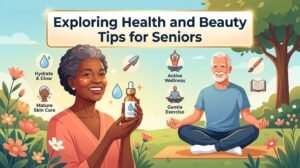
It is a tremendous blessing to be surrounded by inspiring role models as we navigate our golden years. A 93-year-old gentleman in our church easily passes for 60, his face remarkably free of lines; his secret, he claims, is doing 200 squats a day. His wife is equally striking, always catching the eye with her elegant sense of style. Another friend from our small group is 81. Not only does she effortlessly complete an 18-hole golf course, but she also cares for her five-year-old grandson while his professional golfer mother is on tour. Then there is a vibrant 78-year-old couple who recently embarked on a tour of Eastern Europe, barely pausing to unpack from a two-week adventure in Japan.
Everywhere I look, I see happy, healthy seniors learning new skills, enjoying life to the fullest, and actively serving their communities. When I was a child, someone in their 70s was often considered frail and nearing the end of life. Today, experts say “old age” doesn’t even begin until 85. We live in an era where you can remain vibrant and energetic well into your 90s—and perhaps even look forward to thriving up to 120 years.
Aging gracefully and happily is a multifaceted journey that encompasses physical vitality, skin health, and emotional well-being. As we enter our golden years, prioritizing self-care becomes a fundamental necessity, requiring us to adapt our daily routines to maintain optimal health and happiness. By exploring holistic health practices, tailored beauty regimens, and fulfilling hobbies, seniors can cultivate a vibrant and active lifestyle.
Promoting Health and Wellness
As we age, maintaining health becomes increasingly important. Simple lifestyle changes, such as incorporating more fruits and vegetables into your diet and engaging in regular physical activity, can make a significant difference.
The Power of Gentle Movement
Seniors can benefit from light exercise routines like walking or gentle yoga, which have proven effective in boosting both physical and mental well-being. According to the Centers for Disease Control and Prevention, one in four Americans aged 65 and older experiences a fall annually, making fall prevention a critical health priority. Yoga is highly effective in this regard, as it emphasizes balance, flexibility, and strength. Gentle yoga cultivates body awareness and improves posture, helping seniors develop proprioception—the ability to sense the position of their body in space. Poses such as the Tree Pose and Warrior II build a stronger foundation and enhance stability.
Furthermore, yoga utilizes body weight in a controlled, low-impact manner, which helps seniors maintain essential muscle mass that naturally declines over time. Regular practice can relieve symptoms of arthritis, general muscle tension, and back pain, supporting overall joint health without straining the body. For those with mobility limitations, chair yoga adapts traditional poses to a seated or supported standing position, providing all the benefits of gentle stretching without the risk of overexertion. The controlled breathing techniques inherent in yoga also boost cardiovascular and respiratory health, improving circulation and expanding breathing capacity.
Beyond physical advantages, yoga significantly supports mental well-being. The combination of gentle movement and mindfulness reduces stress, anxiety, and symptoms of depression, while promoting relaxation and better sleep quality.
Nutritional Foundations
Exercise must be paired with a balanced diet to maximize health benefits. A well-balanced diet is crucial for maintaining physical strength and preventing common age-related health issues. Seniors should prioritize nutrient-dense foods that support bone health, muscle function, and cellular repair. Integrating a colorful array of fruits, vegetables, lean proteins, and whole grains provides the vitamins and minerals necessary to sustain energy levels and cognitive function. Proper hydration is equally vital; as the sense of thirst diminishes with age, seniors must consciously consume adequate water throughout the day to support kidney function, digestion, and overall wellness.
Beauty Regimens for Mature Skin
Beauty isn’t solely about appearance; it’s about feeling good in your skin. For seniors, a skincare routine focusing on hydration is crucial. As we age, our skin naturally undergoes significant changes—it becomes drier, thinner, and increasingly sensitive to environmental stressors. A thoughtful, gentle approach to skincare can restore radiance and protect the skin’s barrier.
Cleansing and Bathing Best Practices
Gentle cleansing is a non-negotiable first step. Mature skin is more delicate, and using harsh soaps can strip away natural oils, leading to tightness, irritation, and further dehydration. It is essential to use a mild, fragrance-free moisturizing cleanser or body wash that contains soothing ingredients like glycerin, hyaluronic acid, or lanolin.
Bathing habits must also be adjusted to protect mature skin. Washing with warm water rather than hot water is recommended, as hot water rapidly depletes the skin of its protective natural oils. Keeping baths and showers short—ideally between 5 and 10 minutes—further prevents excessive drying. When drying off, avoid aggressive rubbing; instead, use a soft cloth to gently pat the skin, leaving a slight amount of water on the surface to help lock in hydration during the moisturizing step.
Deep Hydration and Moisture Retention
Look for products rich in hyaluronic acid and shea butter to combat dryness. Hyaluronic acid is a powerful humectant that attracts and holds water in the skin, which enhances plumpness, improves elasticity, and softens the appearance of fine lines and wrinkles. Applying a rich, fragrance-free moisturizer within three minutes of bathing is a critical step recommended by dermatologists to seal in moisture before it evaporates from the skin’s surface.
If your skin feels severely dry, consider using an ointment instead of a standard cream. Ointments form a more robust protective barrier and often contain highly effective moisturizing agents like shea butter, ceramides, and petroleum jelly. Because aging bodies cannot replenish ceramides as quickly as younger ones, topical application helps hold skin cells together and fortifies the skin against external irritants.
Targeted Treatments: Exfoliation and Actives
Furthermore, gentle exfoliating products can help remove dead skin cells, leaving your skin feeling refreshed. Exfoliating once or twice a week is sufficient to help the skin look rejuvenated without causing irritation. For mature skin, chemical exfoliation—using topical products formulated with alpha and beta hydroxy acids—is generally considered a safer and more effective option than physical exfoliation methods like rough scrubs or loofahs, which can cause micro-tears in delicate skin.
Incorporating active ingredients can also yield significant anti-aging benefits. Vitamin C serums applied in the morning act as potent antioxidants, protecting the skin from free radicals and environmental damage while brightening the complexion and inhibiting excess pigment production. At night, applying retinoids (Vitamin A derivatives) can stimulate collagen synthesis, improve cell turnover, and enhance the natural production of hyaluronic acid within the skin. However, it is important to introduce new active ingredients slowly to allow the skin time to adapt and minimize potential irritation.
Daily Sun Protection
No skincare routine is complete without daily sun protection. Ultraviolet (UV) exposure is a primary culprit in accelerating skin aging, causing the rapid breakdown of collagen and elastin, and leading to DNA damage that increases the risk of skin cancer. Applying a broad-spectrum sunscreen with a minimum of SPF 30 every single morning—regardless of whether it is cloudy or sunny—is one of the most effective ways to slow the visible signs of aging.
Embracing Hobbies for a Joyful Life
Physical health and radiant skin are only part of the equation; mental and emotional vitality are equally essential for a fulfilling life. Engaging in hobbies can provide immense joy and fulfillment. Whether it’s gardening, painting, or reading, these activities not only entertain but also keep the mind sharp. Many seniors find that pursuing passions helps them connect with others and foster a sense of community.
Cognitive Stimulation Through Lifelong Learning
Hobbies that challenge the brain are excellent for maintaining cognitive function and preventing age-related memory decline. Reading, for instance, stimulates the imagination, expands vocabulary, and improves focus and concentration. Joining a local book club can amplify these benefits by adding a social dimension, allowing seniors to discuss complex themes and share differing perspectives. Similarly, learning a new language, playing a musical instrument, or engaging in puzzles and strategy games provides a robust mental workout that builds new neural pathways.
The Therapeutic Power of Creativity
Creative pursuits like painting, pottery, or writing offer profound emotional release and therapeutic benefits. Art allows seniors to express feelings and experiences that might be difficult to articulate verbally. The act of creating something tangible fosters a sense of accomplishment and purpose. Furthermore, activities requiring fine motor skills, such as knitting or drawing, help maintain hand-eye coordination and manual dexterity, which are crucial for daily independence.
Connecting with Nature
Gardening is a multifaceted hobby that brilliantly combines physical activity, mental relaxation, and exposure to nature. Tending to plants requires bending, lifting, and stretching, serving as an excellent form of low-impact exercise. The time spent outdoors provides natural sunlight, boosting Vitamin D levels which are essential for bone health and immune function. The psychological reward of nurturing a seed into a blooming flower or a yielding vegetable plant offers a deep, satisfying sense of accomplishment and a daily reason to get outside and move.
Building Community and Combating Isolation
Perhaps the most significant benefit of hobbies is their ability to bring people together. Social isolation is a major risk factor for depression and cognitive decline in older adults. Participating in group activities acts as a powerful antidote. For example, group yoga classes not only improve physical health but also provide a strong sense of community and belonging. These shared sessions offer seniors a structured opportunity to interact, share their personal experiences, and build lasting friendships, effectively combating feelings of loneliness.
Whether it is a community choir, a local walking group, a weekly volunteer commitment, or a neighborhood gardening club, shared interests form the foundation of supportive social networks. These networks provide emotional scaffolding, ensuring that seniors have peers to celebrate life’s joys with and lean on during challenging times.
Cultivating a Supportive Environment
By sharing valuable health and beauty tips tailored for seniors, we can create a supportive environment that encourages a happy and active lifestyle. With informative blogs, seniors can explore various products that enhance their daily lives while also learning about new hobbies that introduce joy into their routines. Aging is not a period of decline, but rather a new chapter of exploration, self-discovery, and refined self-care.
The Intersection of Diet, Exercise, and Skincare
It is important to recognize that health and beauty are deeply interconnected. The nutrients consumed through a well-balanced diet directly impact the skin’s ability to repair itself and maintain its elasticity. Hydration from drinking adequate water works synergistically with topical humectants like hyaluronic acid to keep the skin plump and radiant. Similarly, the stress reduction achieved through hobbies and gentle yoga minimizes the production of cortisol, a stress hormone that can trigger inflammation and exacerbate skin conditions.
Sleep is another critical component that binds these elements together. Quality sleep is essential for cognitive function, emotional regulation, and physical recovery. During the deep stages of sleep, the body undergoes cellular repair, repairing the micro-damages sustained by muscles during exercise and synthesizing new collagen for the skin. By maintaining a consistent sleep schedule, engaging in relaxing evening rituals, and creating a comfortable sleep environment, seniors can maximize the benefits of their daytime health and beauty regimens.
When seniors are empowered with the right knowledge—whether it is understanding the mechanics of a gentle yoga stretch, selecting the optimal hydrating serum for mature skin, or discovering the community benefits of a local art class—they are better equipped to advocate for their own well-being. Ultimately, the goal is holistic wellness: a harmonious balance where the body is nourished through diet and movement, the skin is protected and hydrated, and the mind is engaged and socially connected. Embracing these practices allows seniors to truly thrive, transforming the aging process into a beautiful, enriching experience.