
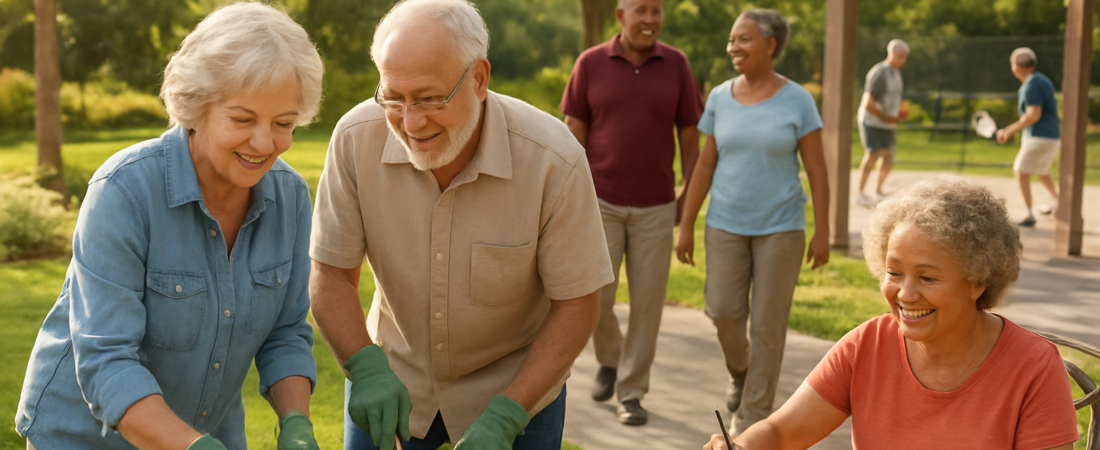
Retirement opens the door to something many people have wanted for years: time. Time to learn, create, explore, and reconnect with what feels meaningful. The best hobbies for seniors are not just ways to pass the day. They can support health, spark curiosity, build friendships, and make each week feel more enjoyable.
If you are looking for fresh ideas, this list of hobbies after retirement offers a mix of active, creative, social, and relaxing options. Some are low-cost. Some can be done at home. Others help you meet people in your community. The key is to choose one or two that fit your energy, budget, and interests now—not what you think you “should” do.
Why hobbies after retirement matter
Hobbies can bring structure and purpose to your days. They also help many older adults stay mentally engaged and socially connected. A good hobby can:
- Give you something to look forward to
- Reduce boredom and stress
- Encourage movement and routine
- Help you meet new friends
- Build confidence through learning
- Create a sense of accomplishment
You do not need to be an expert to begin. In fact, many of the most satisfying hobbies over 60 start with simple curiosity.
20 hobbies for seniors to make retirement more interesting
-
Walking clubs
Walking is one of the easiest hobbies to start because it requires little equipment and can be adjusted to your pace. Joining a walking club adds companionship and accountability.
Look for groups through local senior centers, YMCAs, parks departments, or neighborhood Facebook groups. If you prefer solo walks, try setting a goal such as exploring one new park each month.
- Estimated cost: free to low-cost for supportive shoes
- Good for: heart health, mood, routine, social connection
-
Birdwatching
Birdwatching turns an ordinary backyard or park visit into a small adventure. Start with a simple field guide or a bird identification app. A feeder outside a window can bring daily enjoyment.
This is a great hobby if you like nature but want something gentle and flexible.
- Estimated cost: low; optional binoculars and feeder
- Good for: mindfulness, observation, time outdoors
-
Gardening
Gardening can be as simple as a few herbs in containers or as involved as a raised-bed vegetable garden. Many retirees enjoy growing tomatoes, lettuce, basil, or flowers that attract butterflies.
If kneeling is difficult, try elevated planters or community garden plots with accessible paths.
- Estimated cost: low to moderate depending on supplies
- Good for: light exercise, fresh air, healthy eating
-
Water aerobics
For many older adults, water exercise feels easier on the joints than land-based workouts. Classes often include stretching, balance work, and gentle cardio.
Check local recreation centers, YMCAs, and pools. Before starting any new fitness routine, it is wise to talk with your doctor if you have health concerns.
- Estimated cost: moderate; class or pool membership fees vary
- Good for: mobility, balance, strength, confidence
-
Painting or drawing
You do not need “natural talent” to enjoy art. Beginner watercolor sets, sketchbooks, and online tutorials make it easy to start. Many libraries and community colleges offer affordable classes.
Try painting family memories, favorite landscapes, or simple still lifes like fruit or flowers.
- Estimated cost: low to moderate
- Good for: creativity, focus, stress relief
-
Genealogy research
If you have ever wondered about your family story, genealogy can be deeply rewarding. Start by organizing old photos, letters, and names you already know. Then explore census records, military records, and family history websites.
For official U.S. records, check trusted government and archive sources when possible, and verify details carefully.
- Estimated cost: free to moderate depending on subscriptions
- Good for: memory, research skills, family connection
-
Book clubs
Reading is enjoyable on its own, but a book club adds conversation and community. Many libraries host in-person and virtual groups, including mystery, memoir, and history clubs.
If reading print is tiring, ask about large-print editions, e-books, or audiobooks.
- Estimated cost: free to low-cost
- Good for: mental stimulation, friendship, lifelong learning
-
Pickleball
Pickleball has become one of the most popular hobbies after retirement in the U.S. because it is social, fun, and easier to learn than many people expect. Courts are popping up in parks, recreation centers, and retirement communities.
Beginner classes can help you learn the basics safely and meet other new players.
- Estimated cost: low to moderate for paddle, shoes, and court fees
- Good for: coordination, movement, social time
-
Volunteering
Volunteering is one of the most meaningful hobbies for seniors because it combines purpose with connection. You might read to children, help at a food pantry, greet visitors at a museum, or assist at an animal shelter.
Choose a cause that matters to you. Even a few hours a month can make a difference.
- Estimated cost: usually free
- Good for: purpose, community, emotional well-being
-
Cooking and baking
Retirement can be a great time to try new recipes, learn healthier cooking methods, or master family favorites. You might focus on soups, sourdough, sheet-pan dinners, or regional dishes.
Cooking can also become social—invite neighbors for a monthly potluck or swap recipes with family.
- Estimated cost: varies with ingredients
- Good for: creativity, nutrition, sharing with others
-
Woodworking
Woodworking offers a satisfying mix of problem-solving and hands-on creation. Start small with birdhouses, shelves, or picture frames. Many community workshops offer beginner safety classes.
If you are using tools for the first time, proper instruction and safety gear are essential.
- Estimated cost: moderate to high depending on tools
- Good for: focus, craftsmanship, useful projects
-
Photography
You do not need an expensive camera to enjoy photography. Many people begin with a smartphone and learn about lighting, composition, and editing through free tutorials.
Try weekly themes such as sunrises, neighborhood architecture, pets, or seasonal flowers.
- Estimated cost: low to moderate
- Good for: creativity, walking motivation, memory keeping
-
Learning a musical instrument
It is never too late to learn piano, ukulele, harmonica, or guitar. Short daily practice sessions can be more effective than long, occasional ones.
Ukulele is especially popular with beginners because it is portable and relatively easy on the hands.
- Estimated cost: low to moderate
- Good for: brain engagement, joy, personal challenge
-
Dancing
Ballroom, line dancing, square dancing, and even beginner social dance classes can be a wonderful way to stay active. Dancing combines music, memory, balance, and fun.
Many senior centers and community halls host low-pressure classes for all experience levels.
- Estimated cost: free to moderate
- Good for: balance, confidence, social connection
-
Puzzles and strategy games
Crosswords, jigsaw puzzles, Sudoku, chess, bridge, and other games can keep your mind engaged. Some people enjoy doing a daily puzzle with morning coffee; others like weekly game nights.
Bridge clubs and chess groups can also be a nice way to meet people.
- Estimated cost: low
- Good for: concentration, memory, relaxation
-
RV travel or local day trips
You do not need to travel far to make retirement feel more adventurous. Some retirees enjoy RV travel, while others prefer day trips to museums, botanical gardens, farmers markets, or small towns nearby.
Keep a travel journal or photo album to make the hobby even more enjoyable.
- Estimated cost: varies widely
- Good for: exploration, variety, shared experiences
-
Crafting and knitting
Knitting, crocheting, quilting, card-making, and sewing are classic hobbies over 60 for good reason. They are calming, creative, and easy to do at home. Handmade gifts also add a personal touch for family and friends.
Local yarn stores and libraries often host beginner groups.
- Estimated cost: low to moderate
- Good for: hand coordination, relaxation, creativity
-
Technology learning
Learning new technology can be a hobby in itself. You might explore photo editing, video calls with family, digital art, online classes, or even basic coding.
Many libraries and senior centers offer patient, beginner-friendly tech classes. This hobby can also make daily life easier, from online banking to telehealth. For financial or health-related tasks, use official websites such as SSA.gov and Medicare.gov and verify links carefully.
- Estimated cost: free to moderate
- Good for: confidence, independence, staying connected
-
Fishing
Fishing can be peaceful, social, and surprisingly meditative. Some people enjoy quiet mornings at a local pond; others join friends for lake or coastal trips.
Be sure to check your state’s official wildlife or natural resources website for current license rules, fees, and seasonal regulations, as these can change.
- Estimated cost: low to moderate
- Good for: patience, relaxation, time outdoors
-
Writing your stories
Everyone has stories worth telling. You might write a memoir, family recipes with memories, poems, letters to grandchildren, or a simple life journal. Start with one prompt: “A moment I never forgot.”
This hobby does not need to be formal. Even a notebook by your chair can be enough.
- Estimated cost: very low
- Good for: reflection, legacy, self-expression
How to choose the right hobbies after retirement
With so many choices, it helps to narrow things down. Ask yourself:
- Do I want something social or solitary?
- Do I want to be active, creative, or relaxed?
- What is my monthly budget?
- Do I prefer home-based hobbies or getting out of the house?
- What have I always wanted to try?
A good rule is to pick:
- One active hobby for movement
- One creative or mental hobby for learning
- One social hobby for connection
You do not have to commit forever. Try a hobby for a month and see how it feels.
Tips for getting started with hobbies over 60
- Start small. Buy basic supplies first.
- Look locally. Libraries, senior centers, parks departments, and community colleges often offer affordable classes.
- Invite a friend. New activities can feel easier with company.
- Protect your budget. Many hobbies can become expensive if you buy too much too soon.
- Adapt as needed. Choose seated, low-impact, or accessible versions when helpful.
- Celebrate progress. Enjoy being a beginner.
Key takeaways
- The best hobbies for seniors add purpose, enjoyment, and connection to retirement.
- There is no single “right” hobby—choose what fits your interests, energy, and budget.
- Great options include walking, gardening, volunteering, photography, dancing, and writing.
- Many hobbies after retirement are low-cost and easy to begin close to home.
- Trying something new after 60 can make life feel fresh, interesting, and deeply rewarding.
Retirement is not the end of discovery. In many ways, it is the beginning of a more personal kind of freedom. Whether you start with a garden pot, a library card, a walking group, or a blank notebook, the right hobby can brighten your days and open new doors. Pick one that sounds enjoyable, take the first small step, and let your next chapter surprise you.